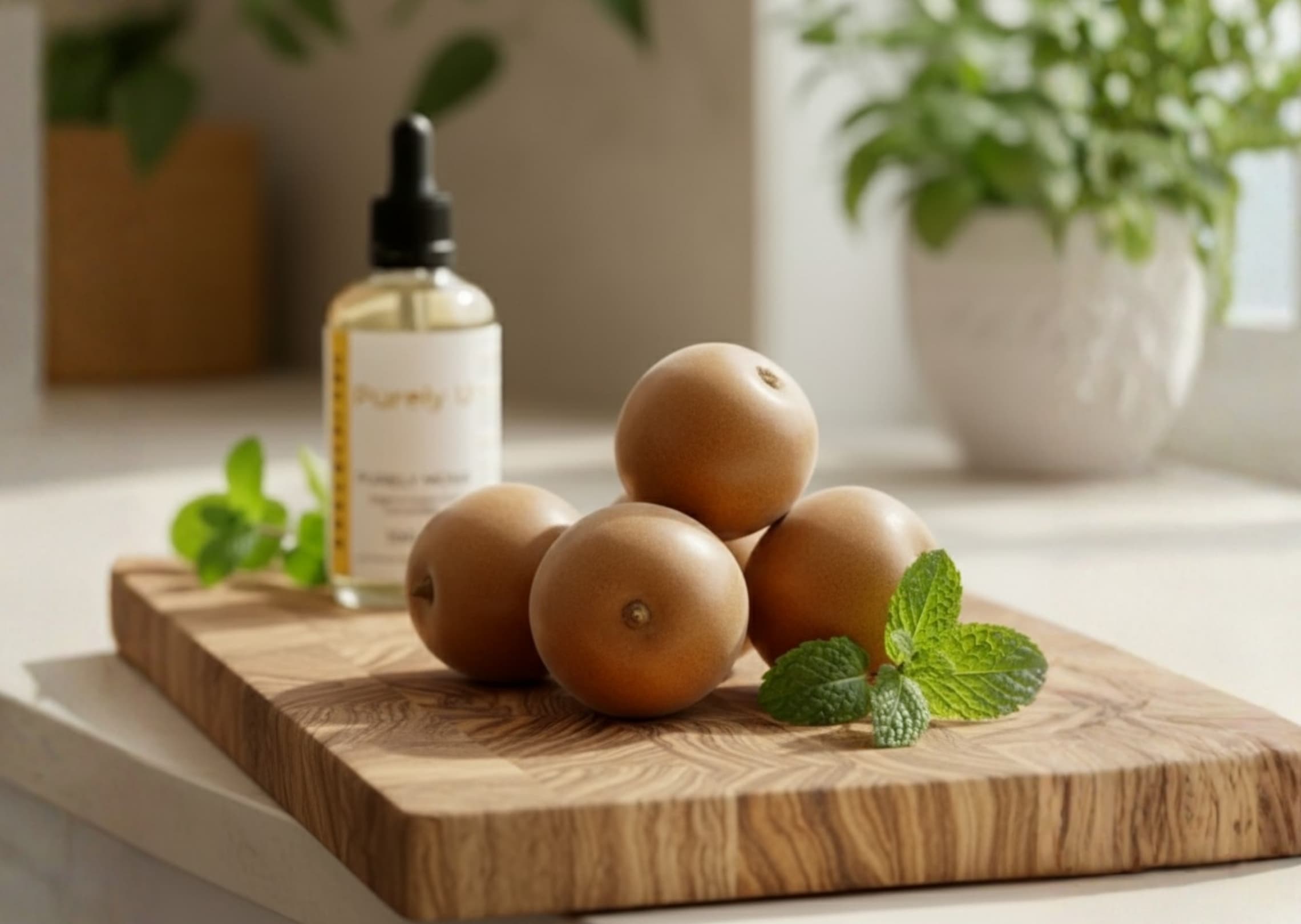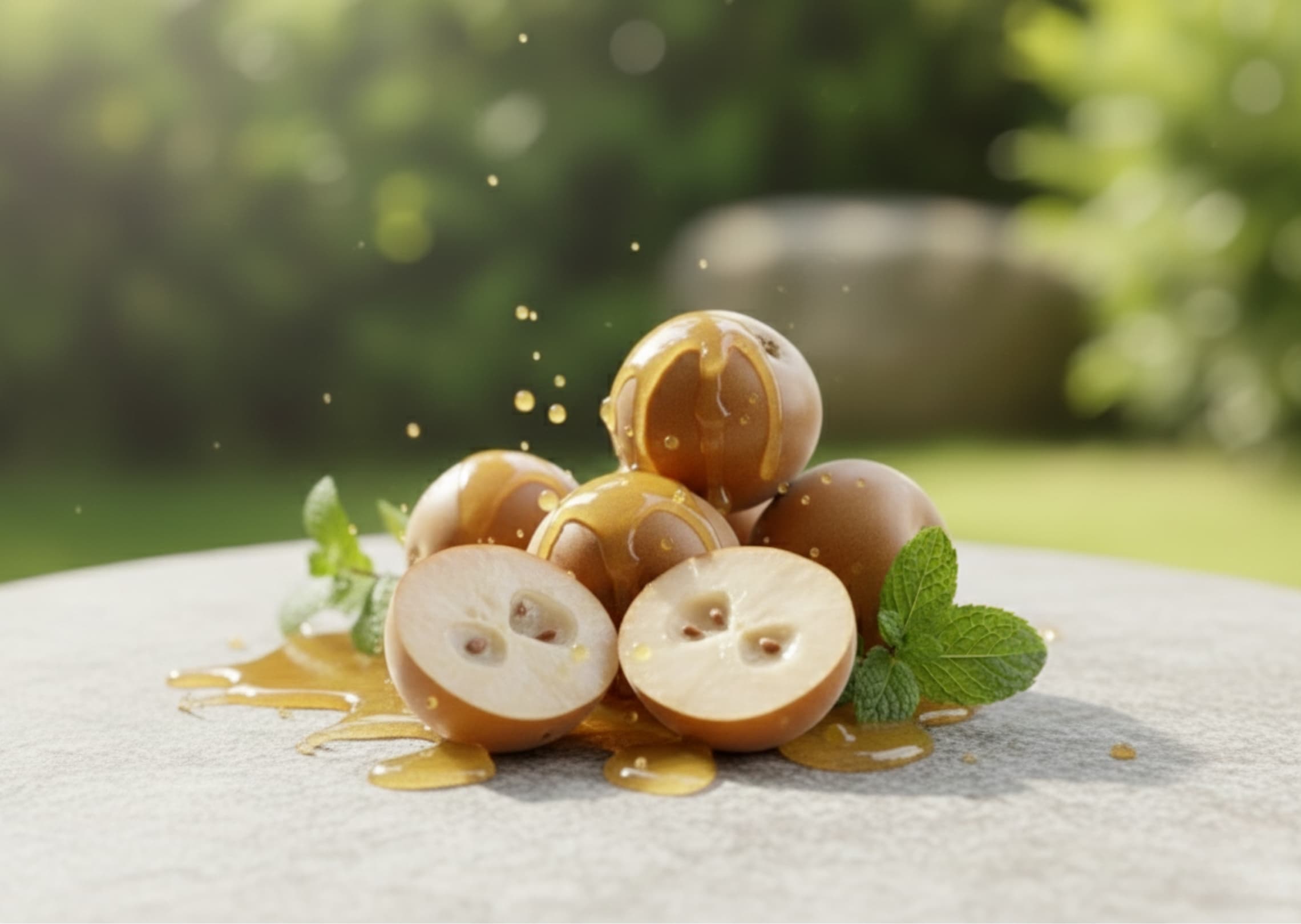
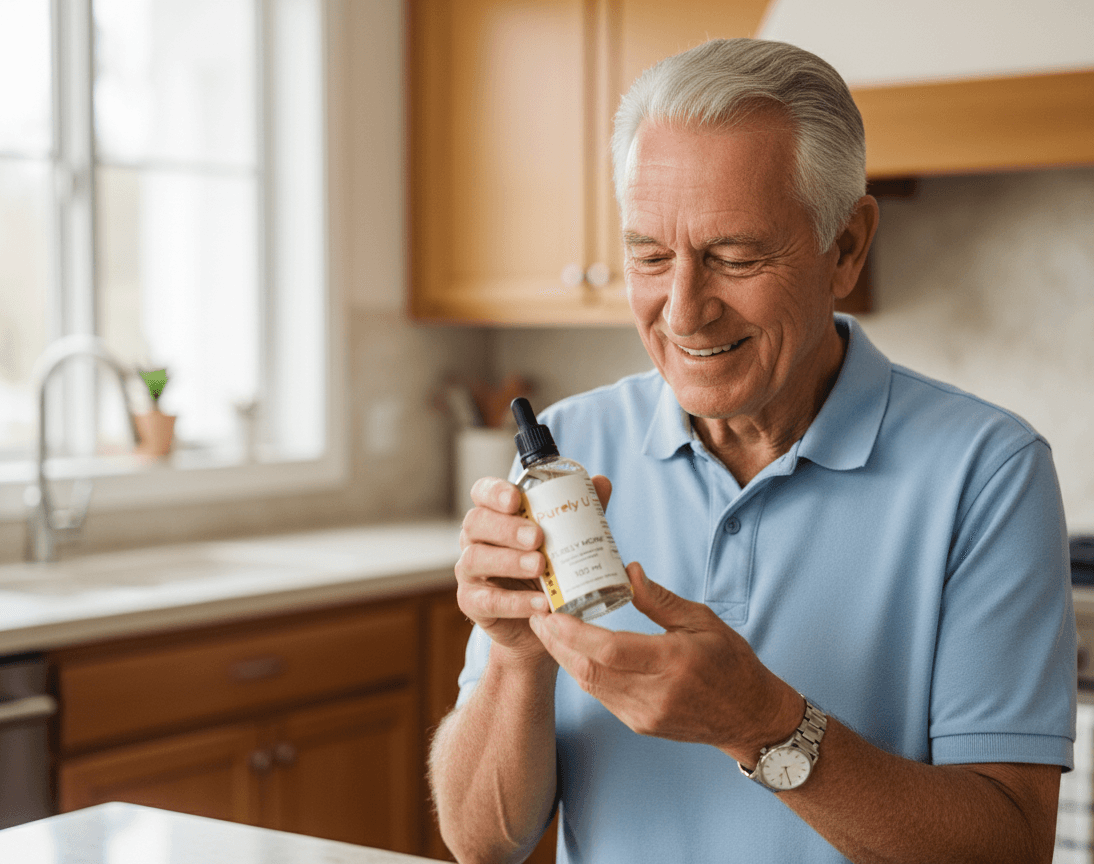
Managing blood sugar does not mean giving up sweetness. Monk fruit sweetener has a glycaemic index of zero, triggers no insulin response, and is backed by decades of safe use - making it popular among people managing blood sugar levels. Whether you have Type 1, Type 2, or are managing pre-diabetes, understanding exactly how monk fruit affects your body can help you make informed choices about what you eat and drink every day.
Note: This article is for informational purposes only and does not constitute medical advice. Always consult your healthcare provider or dietitian before making significant changes to your diet.
Why Glycaemic Index Matters for People Managing Blood Sugar
The glycaemic index (GI) measures how quickly a food raises blood glucose levels on a scale of 0 to 100, with pure glucose at 100. Foods with a high GI cause rapid spikes in blood sugar, which demand a corresponding insulin response. For people with diabetes - whose bodies either do not produce enough insulin (Type 1) or do not use it effectively (Type 2) - these spikes are both dangerous and difficult to manage.
Table sugar (sucrose) has a GI of around 65. Honey sits between 45 and 64 depending on variety. Monk fruit sweetener has a GI of zero - it contains no sugar, no digestible carbohydrates, and raises blood glucose by none at all.
How Monk Fruit Achieves Zero Calories and Zero GI
The sweetness in monk fruit does not come from fructose or sucrose. It comes from a group of antioxidant compounds called mogrosides - specifically mogroside V, which is the most intensely sweet. Mogrosides are not metabolised by the body in the same way as carbohydrates. They pass through the digestive system largely unchanged, contributing no calories and causing no blood sugar response.
This makes monk fruit fundamentally different from "natural" sweeteners like honey, maple syrup, coconut sugar, or dates, which - despite their wholefood origins - still contain significant amounts of sugar and raise blood glucose meaningfully.
Mogrosides and Antioxidant Activity
Research into mogrosides has found that they exhibit antioxidant properties, meaning they help neutralise free radicals in the body. Oxidative stress is a significant concern for people with diabetes, as chronically elevated blood sugar generates excess free radicals that damage cells and contribute to complications over time.
While monk fruit is not a medicine and should not be treated as one, the antioxidant profile of mogrosides means that choosing monk fruit over sugar is not merely neutral - there may be mild additional benefit to the switch.
No Insulin Spike - Confirmed in Research
Multiple studies have confirmed that consuming monk fruit extract does not raise blood insulin levels. This is particularly relevant for people with Type 2 diabetes who are managing insulin resistance, and for those on insulin therapy where unexpected spikes complicate dosing.
It also means that monk fruit is safe for people following a low-insulin approach to weight management - a strategy sometimes recommended alongside conventional diabetes management.
Monk Fruit vs Other Sweeteners for People Managing Blood Sugar
Several other sweeteners are commonly recommended for people with diabetes. Here is how monk fruit compares:
- Stevia: Also zero GI and zero calorie. A solid alternative, though many people find the bitter aftertaste difficult to tolerate. Monk fruit's cleaner taste profile makes it easier to use consistently.
- Erythritol: A sugar alcohol with GI of approximately 1. Generally well tolerated but can cause digestive discomfort in larger amounts. Often used as a bulking agent in blended products.
- Aspartame and sucralose: Approved artificial sweeteners with zero GI. Some people prefer to avoid these due to their synthetic origins or reported sensitivities.
- Monk fruit: Zero GI, zero calories, plant-based, GRAS-approved, heat-stable, and clean-tasting. When sourced from a quality certified-organic product like Purely U, it also avoids artificial processing and additives.
Practical Uses for People Managing Blood Sugar
The beauty of a liquid monk fruit concentrate is its versatility across the full range of foods and drinks that matter most when you are watching your sugar intake:
- Hot drinks: Four to six drops of Purely U Unflavoured Concentrate sweetens a cup of tea or coffee with no aftertaste.
- Breakfast: Add drops to plain Greek yoghurt, oat porridge, or a berry smoothie instead of honey or fruit juice.
- Baking: Monk fruit is heat-stable to 200°C, making it suitable for muffins, slices, and protein balls. Combine with a small amount of almond flour and you have a genuinely low-GI treat.
- Sauces and marinades: Replace sugar or hoisin sauce with monk fruit drops in stir-fries, dipping sauces, or salad dressings.
- Flavoured options: The Purely U Vanilla, Caramel, and Hazelnut concentrates add both sweetness and flavour, making plain foods more appealing without adding carbohydrates.
Checking for Hidden Ingredients
Not all monk fruit products are created equal. Some commercial monk fruit sweeteners - particularly powdered versions - are blended with maltodextrin (a high-GI filler), dextrose, or other sugars to improve texture and pourability. These blended products can raise blood sugar despite containing monk fruit.
Purely U Monk Fruit Concentrate contains certified organic monk fruit extract and water - nothing else. This makes it straightforward for people with diabetes to use without having to account for hidden carbohydrates.
Consulting Your Healthcare Team
While monk fruit sweetener is considered safe for most people including those with diabetes, every individual's metabolic response and medication requirements are different. If you are making meaningful changes to your diet - including switching your primary sweetener - it is worth discussing with your GP, endocrinologist, or accredited practising dietitian. They can help you monitor your blood glucose response and adjust your management plan if needed.
The switch to monk fruit is one of the simpler, lower-risk dietary changes people managing blood sugar levels can make - but it works best as part of a broader whole-food approach to eating, not as a standalone solution.
For exact daily serving sizes, see our monk fruit conversion guide. Following a keto or low-carb diet? Read our keto guide. Have more questions? Visit our FAQ page or contact our team.
Getting Started
If you are ready to try monk fruit, the Purely U 50ml Unflavoured Concentrate is the ideal starting point. Start with two to four drops and adjust to your sweetness preference. Keep a note of where you are using it and how your blood glucose readings compare - for many people with diabetes, the change is immediately and measurably positive.
Tags

Purely U Team
Written by the Purely U wellness team. We are Australian makers of clean-ingredient health and wellness products — HACCP certified, non-GMO, and free from fillers. Our content is reviewed for accuracy and grounded in published nutritional research.
Learn more about us