
Pure Insights - Sweet Tips for a Healthier Life
Your health and wellness blog in Australia. Explore recipes, holistic wellness tips, and the latest on clean nutrition and natural sweeteners.

10 Creative Ways to Use Monk Fruit Concentrate in Everyday Cooking
Reducing sugar does not mean giving up flavour. From morning coffee to home-cooked dinners, here are ten practical ways to use Purely U Monk Fruit Concentrate throughout the day.

Organic Monk Fruit Extract: The Natural Sweetener Aussies Are Loving
If you are searching for a cleaner way to sweeten your food and drinks, organic monk fruit extract delivers zero calories, a clean taste, and certified-organic plant-based origins.

Discover Monk Fruit: History, Journey, and Why It Works for Blood Sugar Management
Trace monk fruit from 13th-century Chinese monasteries to your morning cup. Learn why this ancient longevity fruit is now popular among people managing blood sugar levels.
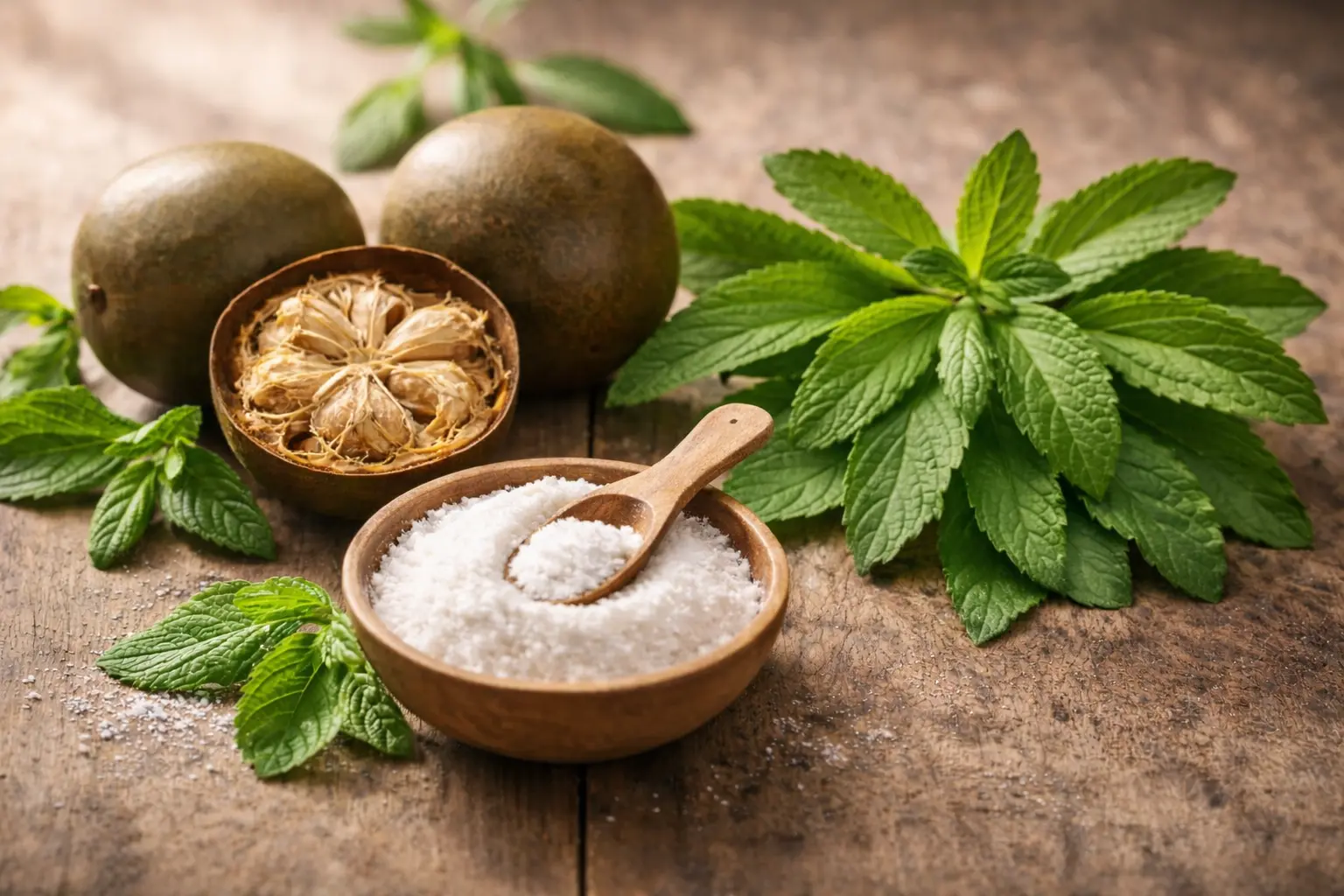
Monk Fruit vs Stevia: Which Natural Sweetener Is Right for You?
Both monk fruit and stevia come from plants, contain zero calories, and have zero glycaemic index - but they are not the same sweetener. Here is how they compare on taste, baking performance, gut health, and cost so you can choose the right one for your lifestyle.
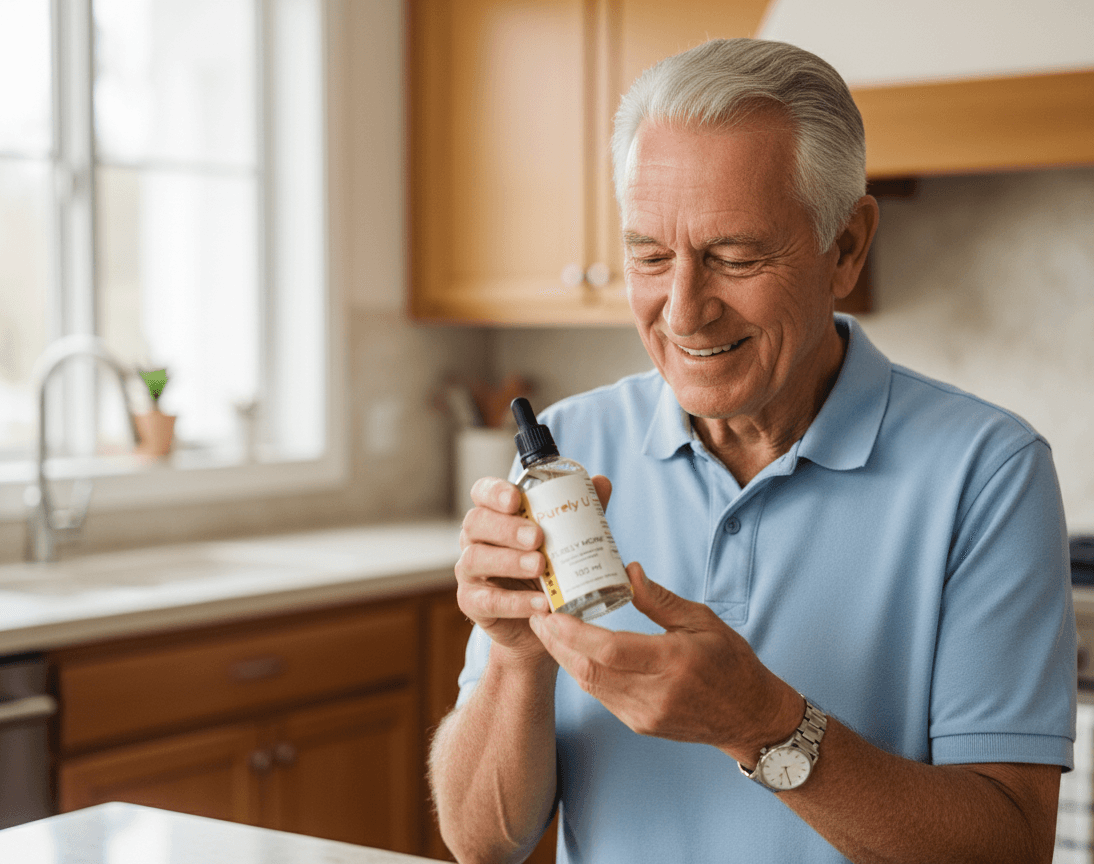
Monk Fruit for Blood Sugar Management: Safety and How to Use It
Managing blood sugar does not mean giving up sweetness. Monk fruit sweetener has a glycaemic index of zero, triggers no insulin response, and is backed by decades of safe use - making it popular among people managing blood sugar levels.

How Much Monk Fruit Concentrate to Use: A Complete Substitution Guide
Monk fruit sweetener is far more concentrated than sugar, which is great for your health but can be confusing in the kitchen. This guide gives you simple conversion ratios for cooking, baking, and drinks so you get the sweetness exactly right every time.

Monk Fruit on Keto in Australia: The Best Sugar Substitute for Low-Carb Living
On a keto diet, every gram of carbohydrate counts. Monk fruit sweetener contributes zero net carbs, zero calories, and zero impact on blood glucose - making it the ideal sugar substitute for Australians following a ketogenic or low-carb lifestyle.

5 Recipes for Everyday Wellness with Purely U
Enhance your daily routine with five simple, delicious recipes using Purely U Monk Fruit Concentrate, from berry smoothies and lemon-ginger iced tea to guilt-free chocolate mousse.
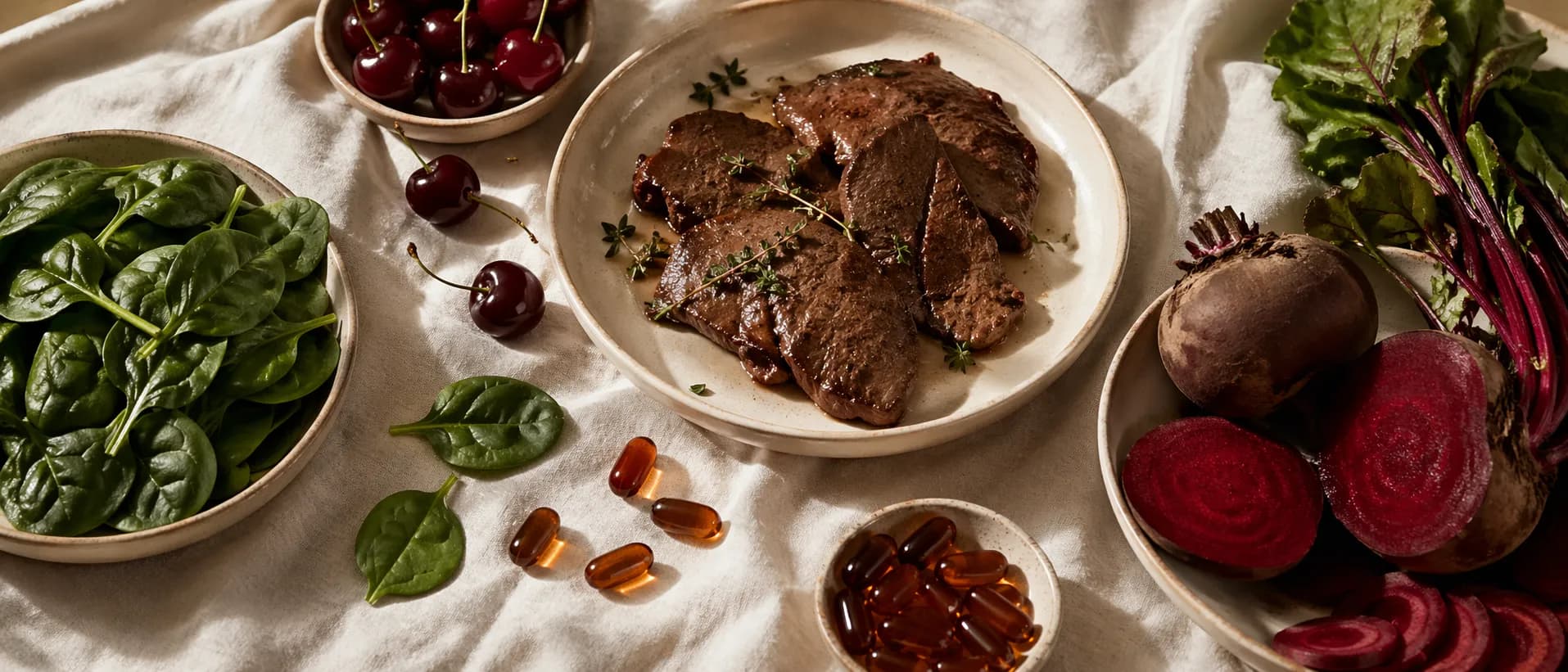
Beef Liver Capsules for Iron Deficiency: What Australian Women Need to Know
Iron deficiency is one of the most common nutritional shortfalls in Australia, especially for women. Beef liver capsules offer a whole-food source of haem iron, vitamin B12 and folate that the body recognises and absorbs differently to a synthetic iron tablet.
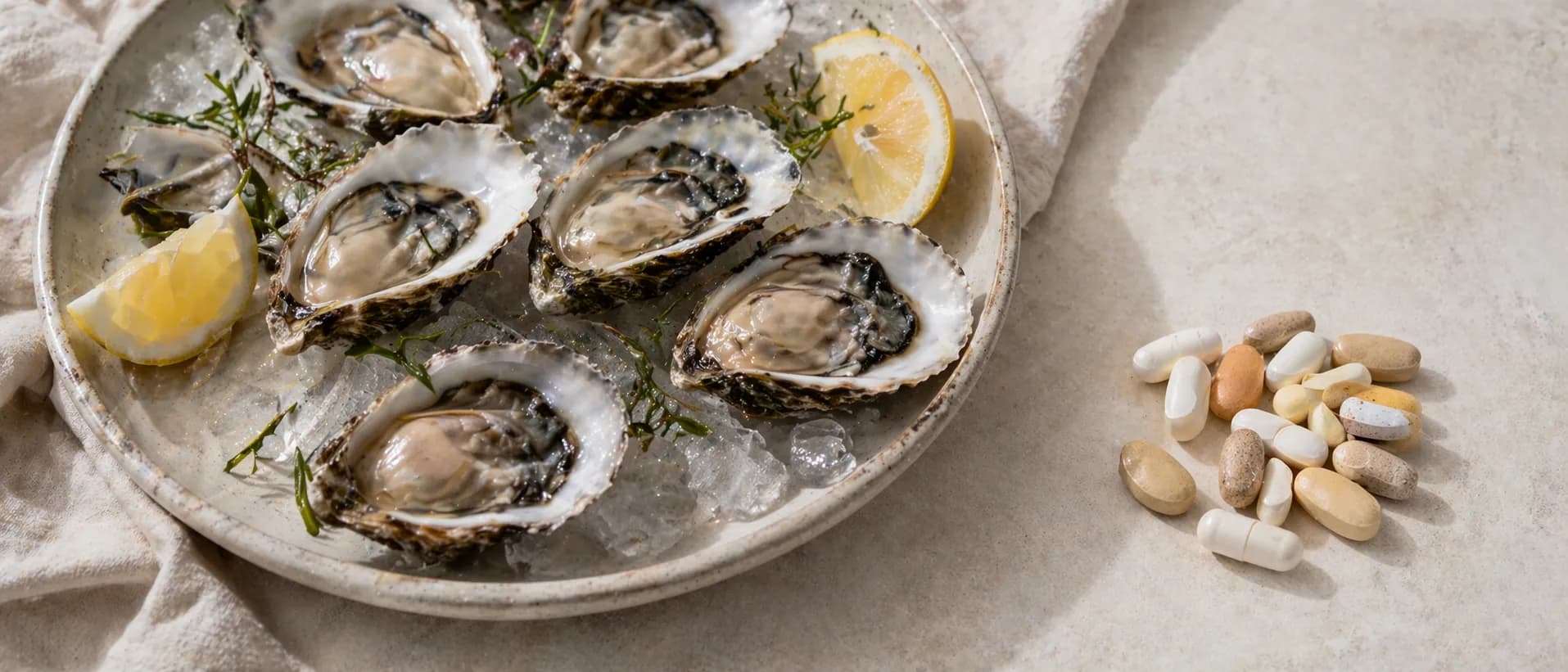
Natural Zinc vs Synthetic Zinc: Why the Source Actually Matters
Most zinc tablets on Australian shelves use synthetic forms like zinc oxide or zinc sulfate. Whole-food zinc from oysters comes packaged with the cofactors your body actually uses. Here is what the difference looks like in practice.
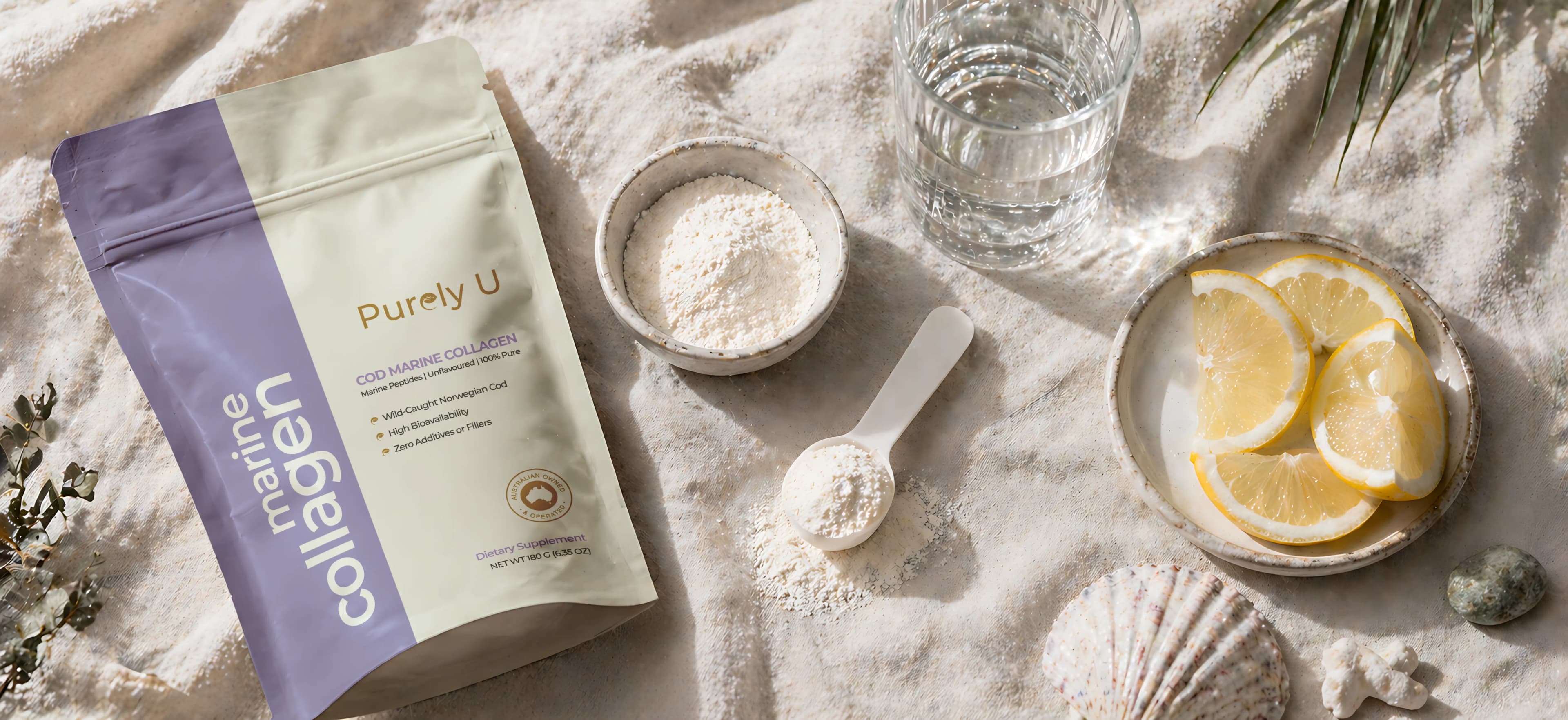
Cod Marine Collagen Peptides: What They Are and Why Source Matters
Marine collagen peptides are increasingly common in Australian wellness routines, but the species the collagen is sourced from changes the picture. Cod is one of the cleanest options on the market, and here is why.

Beef Liver vs Multivitamin: Which Is Actually Worth Taking?
Multivitamins are convenient. Beef liver is concentrated whole food. The two answer different questions, and the honest answer is that most people do best when they understand what each one really delivers.
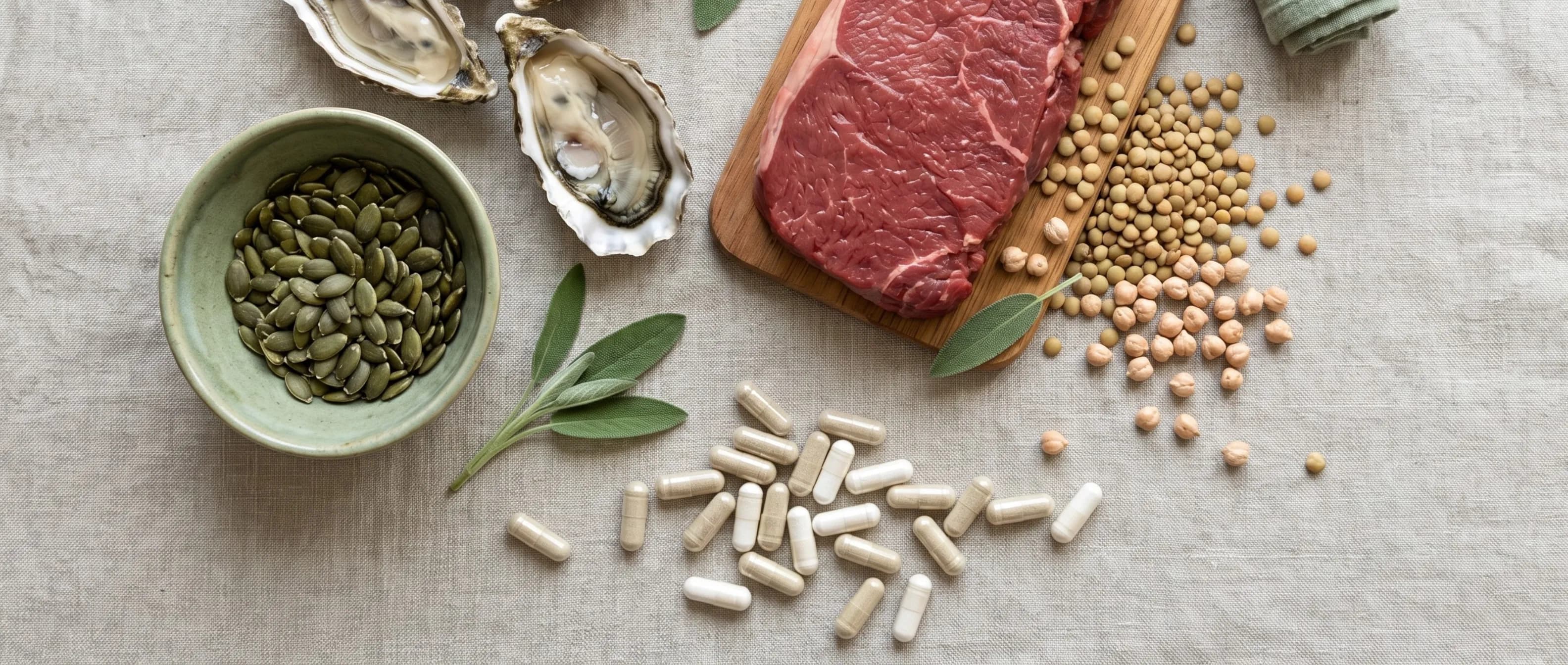
Zinc Deficiency in Australia: Signs, Causes, and How to Fix It
Australian dietary surveys consistently show that a meaningful share of adults sit below the recommended daily intake for zinc. The signs can be subtle. The causes are mostly dietary. Here is how to recognise it and what to do about it.

Marine Collagen for Skin and Joints: What the Research Actually Says
Collagen has been one of the most-marketed wellness ingredients of the last decade. The research is genuinely interesting in some areas and thinner than you might expect in others. Here is a sober look at what the studies show.